Melbourne's weather condition keeps tradespeople honest. A hot northerly can bake timber to a crisp, after that a week later a southerly buster knocks sheets of salt-laced rain throughout the suburban areas. If you take care of buildings from Caroline Springs to Chelsea, you already understand what that does to fences. Fortunately is that the ideal maintenance plan makes a genuine distinction. A fencing that sees normal care lasts 5 to ten years longer, holds its form, and maintains expenses predictable instead of uncomfortable. As a Melbourne Fencing Company with teams on both sides of the river, we have actually collected what works in our climate, across lumber, Colorbond, aluminium, steel, and masonry.
Why fences fail in Melbourne conditions
Materials don't fail for a solitary reason. They fail from moisture biking, UV exposure, ground motion, poor drainage, substandard fasteners, or disregard. In Bayside, salt air speeds up corrosion on vulnerable steel and hardware. In the external north, clay soils expand and contract with rains, heaving messages out of plumb over a period or two. Inner suburbs with limited laneways see reoccuring impact damages from containers and bikes. When you mount maintenance as a response to these pressures, the strategy comes to be uncomplicated: control moisture, block UV, avoid rust, and maintain fasteners and messages honest.
Timber fencings: make close friends with stain and drainage
Timber fits Melbourne streetscapes, especially the classic paling fence, however raw wood or dealt with want needs a finish that secures end grain and slows down dampness. I've seen surround Brunswick installed fresh in August, grey and checking by early summer season due to the fact that completion grain went bare. End grain beverages water like a straw, which consistent wet-dry cycle opens checks and invites rot.
Start with a penetrating oil-based discolor matched to exterior softwood or hardwood, depending on your palings. Transparent spots look wonderful but supply the least UV protection. Semi-transparent or light strong spots last much longer in between layers. The initial coat needs to go on as quickly as lumber gets to a secure dampness web content, typically within a couple of weeks of installment, however within the first year. Afterwards, aim for every 18 to 36 months, adjusting for sun direct exposure. North and west faces burn faster, so allocate even more regular interest there.
Don't overlook the rail user interface. Where palings overlap rails, dampness can sit caught. If you can, comb a layer into those joints. On new builds, we sometimes precoat the top 200 millimetres of each paling before nailing, simply to get protection under the cap line. It takes additional time, yet you can see the distinction three years later when the leading side remains limited and intact.
Ground clearance matters. Palings cut flush to dirt wick moisture and rot early. Leave a 30 to 50 millimetre space over grade and backfill lightly with well-draining material so leaves and mulch don't bridge the void. If the yard needs to fulfill the fence aesthetically, utilize a small recessed yard edge that maintains dirt from touching timber.
Fasteners and fixings for timber
Cheap bolts jeopardize excellent timber. In coastal suburban areas and any place that sees constant rain, usage hot-dip galvanized or stainless-steel. Electro-galv looks the part on day one, then pits and spots hardwood within a year or 2. Screws give you much better life span than nails because they withstand withdrawal when the rails and palings swell and shrink. If you should utilize nails for rate, ring-shank galvanized nails hold much much better than smooth shank.
Every number of years, walk the line with a drill motorist, a nail collection, and a handful of replacements. Look for raised nails, corrosion bleed, or palings that babble in the wind. If the fencing groans when you lean on it, you have loose rails or fasteners. Tightening whatever prior to it comes to be a wobble saves a great deal of grief.
Post health and concrete footings
Posts stop working from rot at the ground line or from footing movement. Dealt with ache messages established right into damp clay without appropriate drain act like wicks, pulling wetness until rot embed in right where the message satisfies air. If you can, make use of H4 treatment for in-ground hardwood and take into consideration covering the below-grade section with a permeable article sleeve that sheds water while enabling the wood to breathe. Solid blog post caps shed water and sluggish rot from the top.
For ground style, Melbourne's clays shift. A 600 millimetre deep hole may be great for a reduced, sheltered boundary, however a 1.8 metre fence a wind passage wants 700 to 900 millimetres with an appropriate bell at the base and a cap that slopes away from the post. The concrete at the top should rest a little over bordering soil with a chamfer to encourage overflow. If your fencing line becomes a rain gutter after rain, you will shed messages early.
If the fencing begins to lean, withstand the urge to wedge it straight and forget it. Examine the footing. If the concrete is intact however the dirt has actually moved, you may have the ability to re-plumb with a support and a brand-new concrete collar. If the message is soft at ground line, removed the section and make use of a repair spur or steel message support. We do a lot of steel blog post footwear for heritage lanes where full substitute is difficult.
Colorbond and steel panels: maintain them clean and unblocked
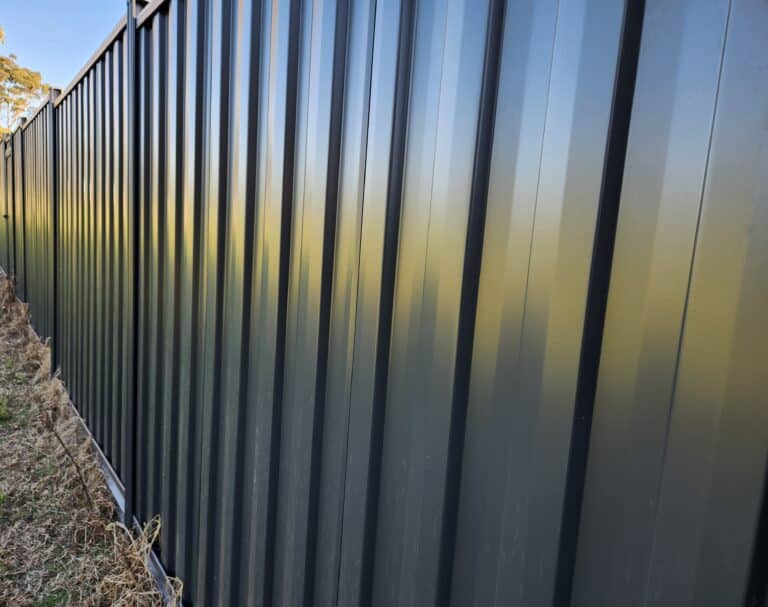
Colorbond-style steel secure fencing is a Melbourne staple. It shakes off UV and doesn't require paint, however it still needs a regular. Dirt, leaf tannins, and air-borne salt all rest on the surface area, attracting dampness and slowly scarring the finish. If you do nothing else, rinse panels with a low-pressure pipe every a couple of months, regularly within five kilometres of the bay. A soft brush and mild cleaning agent get rid of gunk without scraping the finish. Prevent rough pads and solvent cleaners. If you cut down ivy or hedges, sweep the debris instead of letting it sit and stain.
The base channel and lower rails collect dirt and mulch. I've seen lower sheets corrosion prematurely due to the fact that somebody piled garden soil against them. Preserve a 30 millimetre clearance and keep the weep openings in channels open. If stormwater leave the fencing line, include a superficial agi-drain or a gravel trench to re-route it. The coating protects the steel, yet constant immersion beats any type of finish.
Hardware and panels in high wind
Melbourne sees wind gusts that test panel fencings, especially on hills and near open reserves. After major impacts, stroll the line and examine capping, infill sheets, and lattice areas. If you listen to rattles, clips or screws may have loosened up. Swap rusted tek screws for stainless where feasible. In zones that obtain hammered, take into consideration adding a mid-rail or a wind break in the landscape design to interrupt gusts. Taller fences carry genuine sail tons. We in some cases update post size and ground depth by one action over minimums on subjected blocks, and it pays off.
If you observe covering damage from whipper snippers, mount a slim paver strip or a steel mowing side alongside the fencing. Repeated string leaner contact ultimately cuts through the paint to bare steel, and rust starts there. Touch-up paint benefits small chips, however it never matches manufacturing facility coating specifically, so avoidance is better.
Aluminium slats and powder-coated fencings: smooth running and scrape control
Aluminium stands up to rust, which makes it a favourite near the shore, yet powder coat coatings still require treatment. Clean quarterly with a pH-neutral auto hair shampoo and soft sponge. Avoid acid brick cleaners and high-pressure washing machines that can drive water into joints. For moving gates or slat screens, vacuum cleaner grit from tracks and apply a dry silicone spray to rollers and hinges. Stay clear of oil-based lubricating substances that bring in dust.
Aluminium slat fencings depend on small mendings. In hot-cold cycles, thermal motion can loosen up those screws. A mild check once a year with the right little bit avoids removing heads. If you listen to a squeak in wind, it is normally a somewhat loosened slat or a misaligned bracket. Tighten up until firm, never ever over-torque, because aluminium threads strip extra conveniently than steel.
Masonry and rendered walls: water control is everything
Brick and block fences really feel indestructible until you see a vertical split telegraphing from a footing that moved in a wet winter months. Stonework dislikes standing water and inadequate water drainage. Maintain leading caps sealed, weep openings clear, and yard beds pulled back so lawn sprinklers don't fill the wall face. Provide hairline cracks prevail with temperature level swings. Address them early with a versatile outside sealant and paint with a high-quality elastomeric finish. If you can press water far from grounds with a French drainpipe or surface area grading, you'll protect against most structural issues.
Efflorescence, the white fine-grained bloom, signals moisture pushing salts via the surface. Brush it off completely dry, never clean it deeper right into the provide. Find the water source: frequently a leaking watering line or dirt piled versus the wall surface. Deal with the resource, enable the wall surface to completely dry, then consider a breathable sealer.
Gates: hinges, latches, and alignment
Gates disclose upkeep behaviors rapidly. A strong fencing can still carry a drooping gateway that drags throughout paving, chews out hinges, and bangs in wind. Lumber entrances relocate with humidity, so huge locks and long-throw decline screws give you more play prior to things bind. Fit an adjustable joint established from the first day. A simple quarter-turn on a threaded hinge barrel every few months keeps positioning true.
For steel and aluminium gates, concentrate on smooth equipment. Stainless or galvanised hinges with grease points last, however use a lithium or marine-grade grease moderately. On powder-coated gates, wipe squeeze-out quickly so it does not bring in dirt. If you have automatic openers, service them similar to a garage door: inspect safety sensing units, clear tracks, tighten mounting bolts, and check the hands-on release throughout power outages.
Seasonal rhythm for Melbourne properties
Most of our domestic and strata clients follow an easy schedule. Early autumn after the heat eases, we do structural checks and touch-ups. Late spring, prior to summer heat and holiday wind patterns, we clean up, lube, and seal surfaces that need UV defense. After any kind of severe climate occasion, we do a fast walk-around.
Here is a small seasonal checklist that keeps you ahead of damages:
- Autumn: tighten bolts, re-plumb small lean, spot finishes, clear growing from fence lines by 150 millimetres. Winter: evaluate water drainage along grounds, remove leaf accumulation from base channels, look for water pooling and open up a momentary trench if needed. Spring: deep tidy Colorbond and powder coat, re-stain lumber encounters that show grey or checking, grease hinges and rollers, examination entrance alignment. Summer: look for rapid wood shrinking and nail pop, apply a light upkeep coat on high-sun areas, validate that watering is not moistening fencing bases.
Plants, sprinklers, and the subtle opponents of fences
Climbers like jasmine and celebrity jasmine appearance lovely, yet they catch moisture against timber and steel. If you need to have a green wall, include an easy wire trellis 25 millimetres off the fence face so air moves behind foliage. This space https://postheaven.net/camerconjj/why-diy-doesnt-determine-up-to-working-with-a-professional-fencing-company-in expands the life of the surface area by years. Bougainvillea and wisteria add weight and pry slats apart when wind strikes, so restrict their spread or give them a specialized structure.
Irrigation overspray is the quiet killer. Set lawn sprinkler arcs so water does not strike fence faces. Drip lines are far better than sprays near borders. A fast adjustment makes much more difference than any coating.
Mulch piled against the fence amounts to rot and rust. Keep it drew back to leave air area. If animals dig along the line, reinforce the base with a narrow strip of buried mesh or concrete haunching to stop soil collapse.
Repair decisions: heal, reinforce, or replace
When you locate damages, the best repair depends on level and origin. A few deteriorated palings do not justify a new fencing, however a line of leaning messages throughout reactive clay might. If a wood article has local rot at the ground line yet the rest is audio, a steel stimulate bolted to the message and embeded in a brand-new ground extends life five to seven years, commonly longer. If multiple articles reveal gentleness, replacement comes to be much more cost-efficient than a patchwork.
For Colorbond, panel dents from effect are typically a single-sheet replacement. If covering failure appears in multiple areas, check whether yard soil or a destructive setting has actually voided predicted service life. In seaside locations, a marine-grade upgrade or aluminium might be the smarter long-lasting action throughout replacement.
Masonry cracks much less than 1 millimetre large can usually be directed and full of flexible filler. Wider or stepped cracks be entitled to an engineer's eye, particularly if close-by trees rest over footings or if water drainage patterns have changed with a next-door neighbor's landscaping.
Compliance, next-door neighbors, and shared responsibilities
Boundary fences in Victoria often drop under shared expense regulations, and many next-door neighbors like a fair discussion to a shock billing. If you take care of a fence with noticeable danger, such as a blog post favoring a public path, record the issue with photos and a quick note from a Melbourne Fence Company detailing risk and recommended activity. That keeps communication clear. For heritage overlays and front fencings, check local planning controls prior to altering elevation, products, or design. A quick phone call conserves long delays.
Pool obstacles require rigorous compliance and regular checks. Hinges must self-close, lock heights have to continue to be clear of climb points, and plant life can't create footholds. A fencing that started compliant can wander out with a new planter box or an expanding hedge.
Budgeting for longevity
A fence is not set-and-forget. Treat it like a roofing system: small, foreseeable costs avoid huge, abrupt ones. As a rule of thumb, yearly maintenance must relax 1 to 3 percent of replacement worth for timber and 0.5 to 1.5 percent for steel or aluminium. If a wood limit fence costs 6,000 to replace, a yearly 60 to 180 bucks of tarnish and fasteners, plus an hour or more of labour, is money well spent. Every three to 4 years, bump that invest for a complete face recoat.
Strata managers who schedule a half-day fencing service twice a year seldom deal with emergency substitutes. The very same holds for short-stay homes where deterioration are higher from luggage, containers, and regular gateway use.
When to hire a professional
Some jobs are DIY pleasant. Others gain from an experienced eye. If you discover considerable lean, constant post motion, indicators of termite activity, or rust that has actually gotten to structural participants, generate a skilled Fencing Company. A website analysis from a Fence Company Melbourne groups trust fund must include soil observations, drain pointers, and a clear range with material grades specified. Ask for fastener types, blog post sizes, footing depths, and surface preparation approaches in creating. A Melbourne Fencing Company that functions from the Peninsula to the Plenty understands just how neighborhood microclimates affect those specs.
For finishings, painters familiar with outside hardwood can conserve you hours. Spraying a fence without shielding next-door neighbor gardens or home windows invites trouble. Specialist staffs utilize low-pressure systems and back-brushing to require oil right into grain, then tidy sides and hardware before the surface cures.
Common blunders we see, and simple fixes
People usually trim bushes right up against the fencing and leave particles touching the surface area. A ten-minute cleaning after trimming saves discolorations and moisture. Another regular mistake is establishing yard edges with a whipper snipper too near Colorbond. A narrow concrete or brick mowing strip repairs that permanently.
We likewise see cured pine rails reduce too brief, leaving a space at posts that gathers water and decomposes ends first. Action two times and seal cut finishes with a treatment preservative. On steel, we find cut sides left raw after on-site trimming. Constantly prime and paint cuts with the supplier's approved system. Tiny gaps turn into huge repair service bills.
Material selections that settle in Melbourne
If you are preparing a brand-new fencing with long life in mind, a few upgrades make life less complicated later on. For lumber, H3 palings are conventional, but consider H4 messages, stainless screws on seaside blocks, and a capping board that loses water. For steel, select panels rated for seaside problems if you live within a couple of kilometres of the bay. Aluminium slats with high quality powder coat outperform repainted steel near salt air. Stonework needs a correct damp course and a breathable coating. These selections cost a bit even more in advance, however they minimize maintenance frequency and lengthen replacement cycles.
An upkeep mindset that sticks
The best upkeep programs really feel light, not troublesome. Tie fence checks to jobs you currently do. When you switch irrigation from winter season to summertime setups, walk the fence and seek overspray and merging. When you clean rain gutters before tornado period, hose pipe off steel panels and examine bottom networks. After a week of warm winds, action outside in the evening and listen for rattles in the fence line. That rhythm builds routines that maintain fencings right, silent, and good-looking.
If you choose to outsource, set a timetable with a Melbourne Fence Company for semi-annual solution. Ask for a brief record with images, a list of small solutions done instantly, and referrals for anything bigger. Proprietors and managers who maintain a simple folder of those reports make faster, better choices when replacements or upgrades arrive.
Quick referral: issues and targeted solutions
- Grey hardwood with hairline checks: tidy and use a penetrating oil-based tarnish, prioritise sun-exposed faces, seal end grain. Soil or compost versus Colorbond: pull back material, open weep holes, take into consideration a slim gravel strip to maintain clearance. Leaning timber post: examination for rot at ground line, re-plumb with a brace and a concrete collar, or fit a steel repair service stimulate if rot is localized. Powder layer scuffs: wash, then apply maker touch-up on small chips; protect against repeat damages with a paver trimming strip. Gate sagging: adjust threaded hinges, tighten repairings, include or align an angled brace, oil with completely dry silicone where appropriate.
The benefit: additional years and fewer surprises
A well-kept fence does greater than mark a border. It supports the look of a home, silences the backyard on gusty days, and safeguards animals and children. In Melbourne's variable climate, maintenance is not a task checklist, it is an insurance plan you pay in small, workable installations. A little water redirected from the ground, a handful of stainless screws, a layer of oil prior to the warmth truly bites, and you add periods of service.
If you need assistance establishing a plan that matches your materials and area, a trustworthy Melbourne Fencing Company can customize a routine and manage the heavy training. With the best routines and a trade partner you trust fund, a fencing comes to be a lasting possession instead of a reoccuring headache.